
Other
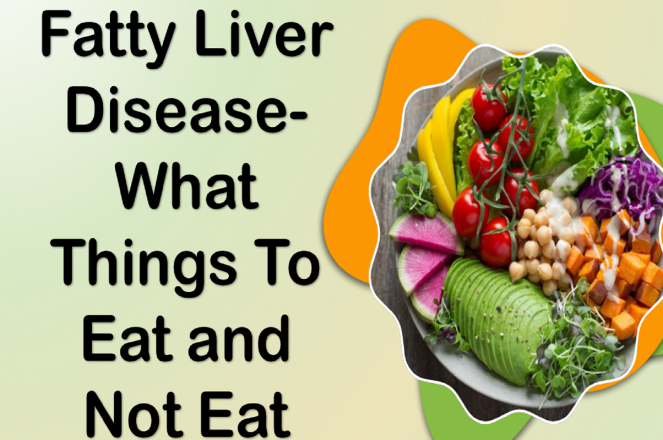
Fatty Liver Disease- What Things to Eat and Not Eat
Jan
Overviews
When examining the term fatty liver disease, it is evident from its designation that it pertains to the buildup of fatty substances within liver cells. It is essential to recognize that these accumulations can significantly impair the liver’s normal operations. Furthermore, they may lead to scarring of liver cells and surrounding tissues, which can detrimentally impact the long-term health and functionality of the organ.
Studies suggest that neglecting to address this condition at an early stage can result in additional health issues. For example, it may lead to sexual dysfunction, including erectile difficulties, particularly in individuals taking medications such as Sildenafil. This scenario often stems from a diet rich in unhealthy fats and carbohydrates. Consequently, managing this condition effectively involves adopting a balanced diet and engaging in regular physical activity.
Identifying which foods to avoid can be daunting, yet it is equally important to recognize those that are beneficial during this time. This article aims to present a detailed list of foods that are appropriate for individuals with fatty liver disease, alongside those that should be excluded from their diet.
The development of fatty liver disease is significantly influenced by obesity and an unhealthy lifestyle. Therefore, effective management requires dietary changes, increased physical activity, and lifestyle adjustments. This strategy supports weight loss, which is crucial for mitigating the factors that contribute to fatty liver disease. Generally, healthcare providers recommend a weight reduction of about 10% of body weight, although this may differ based on individual needs. For individuals needing considerable weight loss, surgical interventions may be an option. Importantly, even a modest weight loss of 3-5% can lead to improvements in the risk factors associated with liver diseases.
The Typical Diet For Fatty Liver Disease Consists Of:
Fresh produce, including fruits and vegetables
Plants rich in fiber include legumes and whole grains.
Significantly reducing the intake of certain foods and beverages, especially those that contain high levels of added sugars, sodium, refined carbohydrates, and saturated fats.
Coffee to Help Lower Abnormal Liver Enzymes

Consistent consumption of coffee may offer protective benefits for the liver in relation to non-alcoholic fatty liver disease (NAFLD). A review published in 2021 indicated that individuals who regularly drink coffee have a reduced likelihood of developing NAFLD. Additionally, for those already diagnosed with this condition, coffee intake is linked to a decreased risk of progression to liver fibrosis. Moreover, coffee seems to contribute to the reduction of elevated liver enzyme levels in individuals predisposed to liver diseases.
Refined Grains
White bread, white pasta, and white rice are examples of refined and processed grains. The manufacturing process removes the fiber from these grains, which can result in increased blood sugar levels as the body processes them.
A review published in 2022 included a study involving 73 adults diagnosed with non-alcoholic fatty liver disease (NAFLD). The results revealed that those who consumed fewer refined grains had a lower risk of developing metabolic syndrome, a group of risk factors that increases the likelihood of various health issues. Individuals can replace refined grains with options such as potatoes, legumes, or products made from whole wheat and whole grains.
Foods That Help Fatty Liver Disease
Consider adopting the Mediterranean diet. While it was not specifically designed for individuals with fatty liver disease, this dietary approach incorporates foods that can aid in decreasing liver fat, including healthy fats, antioxidants, and complex carbohydrates.
| Items on the table that you should consider reaching for include:
Fish and seafood
Fruits
Whole grains
Nuts
Olive oil
Avocados
Legumes
Choose The Right Fats
Cells use glucose, a form of sugar, as an energy source. The hormone insulin plays a crucial role in transporting glucose from digested food into the cells.
People suffering from fatty liver disease often encounter a phenomenon referred to as insulin resistance. This condition shows that although the body makes insulin, it cannot effectively use it. As a result, blood glucose levels rise, which causes the liver to turn into fat.
By including certain fats in your diet, you can improve your body’s capacity to utilize insulin, enabling cells to absorb glucose more effectively and decreasing the liver’s requirement to produce and store fat.
Fatty Liver Foods to Avoid
It is recommended to avoid the intake of saturated fats, as they contribute to the buildup of fatty deposits in the liver.
This encompasses:

Get Your Vitamins And Minerals
Currently, no vitamins or minerals are recognized as providing significant advantages; however, it may be advantageous to incorporate the following into your dietary plan.
| Vitamin D

Low vitamin D levels may play a role in the advancement of more severe forms of fatty liver disease. When the body is exposed to sunshine, vitamin D is produced.
Additionally, it can be obtained from certain dairy products. It is advisable to select low-fat dairy options, as they contain reduced levels of saturated fat.
| Potassium

Reduced levels may be associated with a condition referred to as metabolic erectile dysfunction associated steatotic liver disease (MASLD), previously known as non-alcoholic fatty liver disease (NAFLD). Among fish that are excellent sources of potassium include sardines, salmon, and cod. Additionally, vegetables like broccoli, peas, and sweet potatoes, along with fruits such as bananas, kiwi, and apricots, are rich in potassium. Dairy products, including milk and yogurt, also contribute significant amounts of potassium. It is advisable to choose low-fat alternatives.
Betaine may offer protection to the liver against the accumulation of fatty deposits; however, the findings from research studies are inconsistent. This compound can be sourced from wheat germ and shrimp.
| Broccoli

Including a variety of whole vegetables is advantageous for those diagnosed with fatty liver disease, and broccoli stands out as a significant choice worthy of consideration in their dietary plans.
A 2022 study published in The Journal of Functional Foods, which involved animal subjects, demonstrated that broccoli promoted a quicker breakdown of fats in mice with non-alcoholic fatty liver disease (NAFLD), leading to a reduction in liver fat accumulation.
Although further research involving human participants is essential, the initial results concerning the effects of broccoli consumption on the advancement of fatty liver disease seem promising.
| Avoid Alcohol

If your fatty liver disease results from excessive alcohol intake, it is recommended to completely refrain from alcohol consumption, as this may worsen liver damage. For those with MASLD, moderate drinking may be acceptable, but it should be limited to no more than once every two months. It is crucial to seek guidance from your physician before making any decisions regarding alcohol consumption.
| Lose Weight

Reducing your body weight by as little as 5% can lead to a decrease in liver fat. Achieving a weight loss of 7% to 10% can significantly reduce inflammation and decrease the likelihood of liver cell damage, potentially reversing some existing harm. It is advisable to aim for a gradual weight loss of 1 to 2 pounds per week, as rapid weight loss may exacerbate the condition. Should you face challenges in losing weight, it may be prudent to seek advice from your physician regarding the possibility of weight loss surgery.
| Exercise for a Healthy Liver

Engaging in aerobic exercise can greatly reduce liver fat content. High-intensity workouts may also contribute to a reduction in inflammation. Additionally, resistance training, such as weight lifting, can enhance the condition of fatty liver disease. It is recommended to strive for 30 to 60 minutes or more of moderate to vigorous aerobic activity on at least five days each week, alongside participating in moderate to vigorous strength training three times weekly.
| Garlic

Garlic is an essential component in numerous dietary plans and may offer advantages for those suffering from fatty liver disease. A review released in 2022 indicated that garlic supplements positively influence the metabolic profile of patients diagnosed with non-alcoholic fatty liver disease (NAFLD).
| Control Diabetes

Ensuring the health of the liver is crucial for the regulation of cholesterol and triglyceride levels within the bloodstream. Embracing a well-rounded, plant-based diet, participating in consistent physical exercise, and following any prescribed medications from your healthcare professional are important measures. These strategies can greatly aid in the effective control of cholesterol and triglyceride levels.
| Lower Your Cholesterol

Maintaining a healthy liver can also contribute to the regulation of cholesterol and triglyceride levels in the bloodstream. Adopting a nutritious, plant-based diet, engaging in consistent physical activity, and adhering to any prescribed medications from your healthcare provider are essential steps. These practices can assist in managing both cholesterol and triglyceride levels effectively.
| When To Consult a Physician or Dietician

If an individual finds that modifications to their diet and increased physical activity do not adequately alleviate the symptoms of fatty liver disease, it is advisable to consult a healthcare professional. The physician may recommend that the individual work with a nutritionist to formulate a suitable dietary plan.
Patients diagnosed with non-alcoholic fatty liver disease (NAFLD) often present with additional health issues, including diabetes, cardiovascular diseases, and hypertension. Furthermore, those suffering from either form of fatty liver disease may experience sarcopenia, characterized by a reduction in muscle mass. Therefore, it is prudent for a physician to evaluate patients with fatty liver disease for any concurrent medical conditions.
Currently, there are no medications specifically sanctioned for the treatment of fatty liver disease; however, implementing informed dietary and lifestyle changes can lead to significant improvements in the condition.
Last Word
You are now equipped with the knowledge necessary to address the fatty liver condition by making dietary adjustments. As a result, it is advisable to start incorporating the food items outlined in the provided list. To expedite the treatment of ED, you may consider utilizing Aurogra 100 tablets.
At this point, it is essential to prioritize weight loss; thus, engage in activities that facilitate a greater caloric expenditure than your caloric intake.
FAQs
1. What are some general dietary guidelines that should be followed for fatty liver disease?
Recommended foods include: Vegetables, fruits, healthy proteins, whole grains, and other foods that are healthy and balanced. Recommended foods that are low in liver fat and healthy for the liver include: Foods low in sat. fat, trans fat, sugar, and processed foods.
2. What foods should be avoided for fatty liver disease?
Foods that should be avoided include: fried foods, fast foods, fatty foods, sugar foods, sugar drinks, processed meats, and other foods. Alcohol should be avoided because it can cause liver damage.
3. What are some nutrients and/or supplements that may help to manage fatty liver?
Fatty liver may be helped with: Fish oil, vitamin E (may need clearance for this), and other nutrients. Periodic consultation with your physician is recommended with supplements.
4. Do the symptoms of fatty liver disease improve with weight loss?
Yes, weight loss is a significant way to improve the symptoms of fatty liver disease. If loss of weight is between 5-10% of total weight is considered successful.
5. What role does physical activity play in managing fatty liver disease?
Physical activity is an important part of burning triglycerides and body fat, including in the liver. Therefore, being physically active for an average of 30 minutes, 5 days a week is the minimum recommended goal.
