
Erectile Dysfunction
Find Out The Erectile Dysfunction Treatments Available Now!
Aug
It is challenging for men with erectile dysfunction (erectile dysfunction), a common condition, to get or keep an erection strong enough for sexual activity. Thankfully, there are a few efficient treatments available right now. The patient’s preferences, general health, the severity of the illness, and the underlying cause of ED all have a role in the treatment decision. An overview of the most popular erectile dysfunction therapies is provided below:
Oral Medications (PDE5 Inhibitors)
Often used as the initial line of treatment for ED, these consist of:
- Sildenafil (Viagra)
- Tadalafil (Cialis)
- Vardenafil (Levitra, Staxyn)
- Avanafil (Stendra)
PDE5 inhibitors work by strengthening the effects of nitric oxide, a chemical that the body naturally produces and which relaxes the penile muscles. This increases blood flow, which enables an erection to occur in response to sexual stimulation.Usage: It is advised to take these medications 30 to 60 minutes before having intercourse. Tadalafil can also be used once a day at a lower dosage for continuous treatment.Side Effects: Common side effects include headache, flushing, congestion in the nose, indigestion, and dizziness. Loss of vision or hearing, as well as priapism, and an extended erection, are uncommon but potentially fatal side effects.
Penile Injections
Medications used include:
- Alprostadil (Caverject, Edex)
- Papaverine
- Phentolamine
How They Work: When these medications are injected directly into the penis, an increase in blood flow results in an erection. When oral drugs don’t work, they are frequently used.Use: It is best to give the injections five to twenty minutes before engaging in sexual activity. To reduce adverse effects, a doctor modifies the dosage.Possible adverse effects include swelling, soreness at the injection site, and the formation of scar tissue in the penis.
Urethral Suppositories (MUSE)
Alprostadil, a urethral suppositoryHow Operates: Alprostadil is administered as a small pellet into the urethra using a specialized applicator. The result of the medication’s increased blood flow to the penis is an erection.Use: The suppository is inserted into the urethra approximately ten minutes before having sex.Adverse Effects: A few of the side effects include lightheadedness, urethral bleeding, and penis soreness.
Vacuum Erectile Dysfunction Devices (Penis Pumps)
How They Operate: A plastic tube that is placed over the penis is the fundamental part of a vacuum erection gadget. An erection is brought on by a manual or battery-powered pump that creates a suction that draws blood into the penis. To keep the erection going, a tension ring is then put around the base of the penis.Use: Apply the gadget right before having sex; it has a half-life of thirty minutes.Adverse Effects: Bruising, numbness, and limited ejaculation are common adverse effects.
Penile Implants (Surgical Treatment)
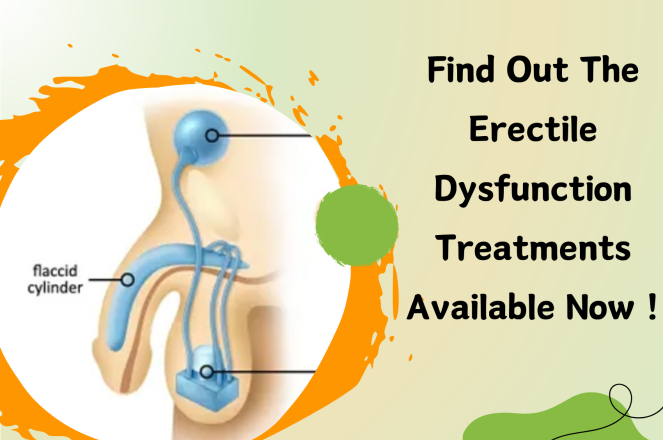
Penile implants are devices that are surgically implanted inside the penis to help men with erectile dysfunction achieve an erection.
Categories:
Inflatable implants: these comprise cylinders filled with fluid that are inserted into the penis, a reservoir beneath the abdominal wall, and a pump situated in the scrotum. To get an erection, the male presses the fluid into the cylinders.Semi-rigid rods: During sexual activity, these flexible rods that are placed inside the penis can be bent to the appropriate position.Usage: This strategy is typically considered when other therapies have failed or are not suitable.Infection, implant malfunction, and internal erosion are among the risks related to adverse effects.
Hormone Therapy
When to use it: If low testosterone levels are the primary cause of ED, hormone therapy may be administered. It is possible to give testosterone replacement via injection, gel, patch, or pellet form.Among the negative effects are breast enlargement, acne, and an increased risk of cardiovascular issues.
Lifestyle Modifications
Making a lifestyle change can be beneficial for erectile dysfunction, especially if there is a correlation between lifestyle factors and erectile dysfunction. Among the suggested actions are:Exercise: When done regularly, aerobic exercise in particular helps lower ED and improve circulation.Diet: Eating a balanced diet that supports cardiovascular health can help prevent ED.Weight control: Reducing the chance of ED can be achieved by maintaining a healthy weight.Give up. Smoking: One of the causes of vascular disease, which can lead to ED, is smoking.Limit Alcohol: Impotence may result from excessive alcohol consumption.
Psychological Counseling
If there is a psychological component to ED (such as stress, worry, or sadness), seeing a psychologist or counselor for therapy may be beneficial. Couples therapy may also be suggested when interpersonal issues worsen erectile dysfunction symptoms.
Alternative Treatments
Acupuncture: Several studies suggest that acupuncture may help with ED, while further research is needed.Herbal Supplements: Products like ginseng, yohimbine, and L-arginine are sometimes promoted as erectile dysfunction remedies, but their effectiveness is debatable and they may interact negatively with other medications or have unfavorable side effects.
Shockwave Therapy
How Operates: Low-intensity extracorporeal shockwave therapy (Li-ESWT), a more modern non-invasive technique, employs shockwaves to boost blood flow to the penis. It has potential as an ED treatment, even if it’s still in the experimental stage.
Conclusion:
There are many different ways to treat erectile dysfunction, from oral medications to surgical techniques. The best course of treatment depends on the patient’s health, the etiology of the condition, and personal preferences. It’s critical to discuss the best course of action for your unique situation with a healthcare provider and to take care of any potential underlying medical disorders that may be exacerbating your erectile dysfunction.
FAQs
1. What are the common treatments available for erectile dysfunction?
The common treatments available for erectile dysfunction include oral medications that are PDE5 inhibitors, changes in lifestyle, therapy, and surgical options that are penile implants.
2. Are there non-medical options to treat erectile dysfunction?
Yes, non-medical options include changes in lifestyle, vacuum erection devices, and psychotherapeutic counseling.
3. How effective are oral medications in treating erectile dysfunction?
Oral medications, including, sildenafil, tadalafil, and vardenafil, are effective in treating erectile dysfunction for most, and for some the success of this treatment is 70-80%, depending on the overall health conditions of the patient.
4. What are the potential side effects of erectile dysfunction medications?
Other potential side effects of erectile dysfunction medications are headaches, a feeling of warmness and blushing, nasal congestion, dizziness, and in some rare dependant circumstances, changes to a person’s sight and hearing.
5. Are psychological factors involved in erectile dysfunction treatment?
Certainly, any psychological component to the condition, for example stress, anxiety or depression, can worsen erectile dysfunction, and treatment can be provided through counseling or therapy.
