
General Health
10 Best Health Benefits of Meditation for the Mind & Body
Mar
Overview
Meditation is a powerful practice that promotes mental clarity, emotional balance, and physical well-being. Whether one seeks to reduce stress, improve focus, or enhance overall health, meditation offers numerous benefits. The following outlines ten significant health advantages of meditation for both the mind and body.
Integrating meditation into your daily life can lead to substantial improvements. Regular practice over time enables individuals to witness enhancements in their mental and physical health. Healthcare professionals recommend contemplation as an effective approach to improving emotional regulation and physical health.
This article will examine the ten primary benefits of meditation, emphasizing its positive effects on both mental and physical dimensions of life.
Meditation includes a variety of techniques designed to enhance concentration, emotional awareness, kindness, compassion, sympathetic joy, and mental peace, even in the face of adversity. Many practitioners find that a consistent contemplation routine nurtures self-compassion and strengthens their capacity to support others. Furthermore, it can help develop a more measured response to challenging situations.
What Does Science Tell Us?
Investigation into the advantages of meditation, frequently incorporated within mindfulness-based interventions—whether conducted at home or led by an instructor—has revealed favorable psychological and physiological outcomes, many of which are reported by the individuals themselves. These benefits are observed across diverse populations, including trauma survivors, school-aged children, and individuals pursuing therapeutic assistance. The impact of contemplation is extensive, contributing positively to physical and mental health, encompassing enhancements in cognitive function and emotional regulation.
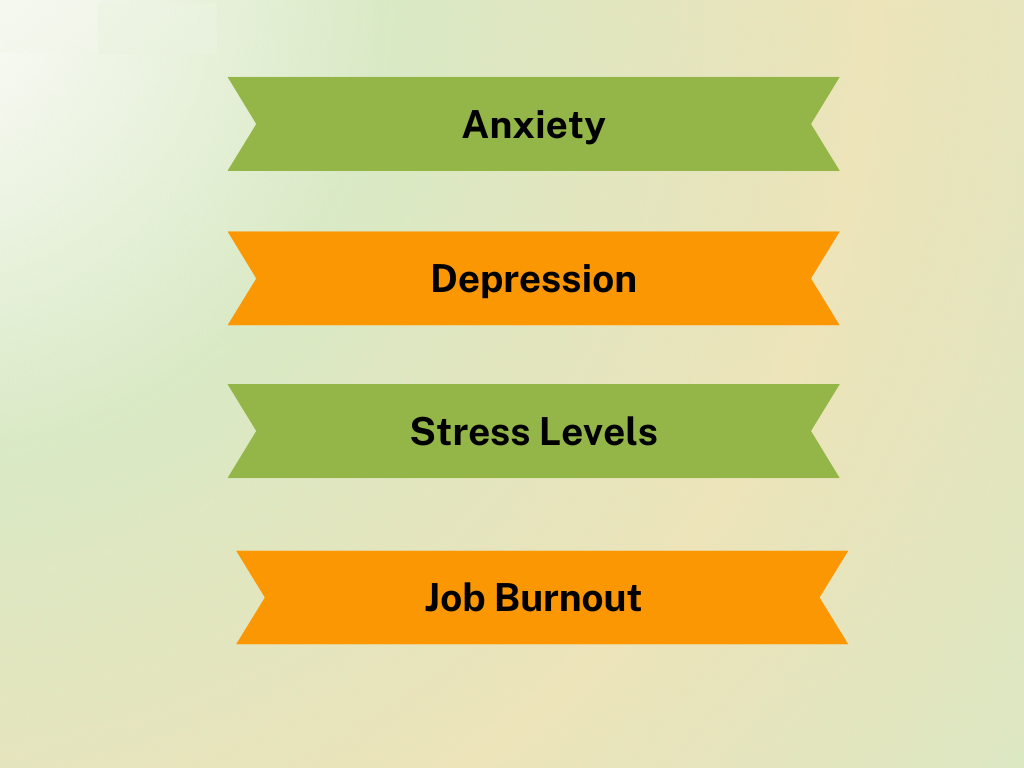
Reduces Stress & Anxiety

Meditation has the potential to alleviate stress and enhance the symptoms of various stress-related disorders, such as irritable bowel syndrome (IBS), post-traumatic stress disorder (PTSD), and fibromyalgia.
It effectively lowers cortisol levels, the hormone associated with stress, thereby diminishing feelings of tension and anxiety. Additionally, it aids in addressing chronic stress, which can contribute to heart disease and a compromised immune system. Mindfulness contemplation, in particular, has demonstrated significant efficacy in stress management. Engaging in 10 to 15 minutes of deep breathing meditation each day can help to soothe the mind.
This ancient practice has been utilized for millennia to mitigate stress, treat ailments, and enhance overall life quality. Research indicates that meditation not only reduces stress but also improves concentration and fosters greater awareness of one’s environment. Furthermore, it has been shown to assist in the treatment of certain conditions, including depression and anxiety. Overall, the practice of meditation is associated with improved well-being.
Improves Sleep Quality

Promotes relaxation for both the body and mind, improving the capacity to initiate and sustain sleep. It alleviates symptoms related to insomnia and nighttime anxiety, fostering deep and restorative sleep. Engaging in a guided sleep meditation before bedtime is advisable to calm the nervous system. Such meditation techniques can shorten the time it takes to fall asleep and improve overall sleep quality.
A study conducted in 2014 investigated mindfulness-based contemplation programs and found that participants who engaged in contemplation experienced longer sleep durations and a decrease in insomnia severity compared to those in a control group who did not practice meditation.
Cultivating skills in meditation may aid in managing or redirecting the racing thoughts that often lead to insomnia.
Additionally, it can facilitate physical relaxation, relieve tension, and help transition you into a peaceful state that is conducive to sleep.
Lowers Blood Pressure & Supports Heart Health

Meditation can significantly improve physical health by reducing stress on the heart. Chronic high blood pressure compels the heart to work harder to pump blood, which can eventually compromise its performance.
Moreover, high blood pressure contributes to atherosclerosis, a condition marked by the narrowing of arteries, potentially leading to heart attacks and strokes.
Studies indicate that contemplation may assist in regulating blood pressure by soothing the nerve signals that control heart function, blood vessel tension, and the fight-or-flight response that increases alertness in stressful situations.
| Physical Health Some Medications
Medicine | Price |
| $186 | |
$218 | |
$218 | |
$301 | |
| Kamagra Oral Jelly | $302 |
Meditation has been found to lower blood pressure both during practice and over time in individuals who engage in it regularly. This reduction in blood pressure alleviates stress on the heart and blood vessels, thereby aiding in the prevention of heart disease.
By mitigating the body’s stress response, contemplation contributes to the maintenance of a healthy heart and cardiovascular system. Studies indicate that consistent meditation can effectively decrease blood pressure and may lower the likelihood of developing cardiovascular diseases
It alleviates hypertension by fostering relaxation, enhances circulation and overall cardiovascular function, and diminishes the risk of heart disease and stroke. Engaging in just ten minutes of meditation each day can yield significant long-term advantages for heart health.
Boosts Immune System

Reduces inflammation within the body. Promotes the production of antibodies and immune-supporting cells. Assists in fighting infections and illnesses more effectively. To maximize immune advantages, incorporate meditation alongside breath work exercises.
The immune system is often likened to the body’s cognitive center. It serves as a sophisticated system for identifying and neutralizing harmful pathogens, closely linked to the nervous system. A weakened Boost Immune System increases susceptibility to infections.
Practicing mindfulness contemplation has been linked to decreased levels of inflammation markers, suggesting an improvement in immune function. Various studies have shown that meditation enhances vital immune cells that play a role in disease prevention. Although the exact processes through which meditation improves immune health are not fully understood, it is thought that reduced stress and improved self-regulation are key factors.
Increases Emotional Well-being & Happiness

Enhancing the levels of serotonin and dopamine, commonly known as the feel-good hormones, plays a crucial role in stabilizing mood fluctuations and alleviating symptoms of depression. Furthermore, it encourages self-awareness and fosters a sense of inner peace. Practicing gratitude contemplation can help rewire the brain to adopt more positive thought patterns.
Various meditation techniques can lead to an improved self-image and a more optimistic outlook on life. For example, a review involving more than 3,500 adults found that mindfulness meditation effectively reduced symptoms of depression.
A study from 2015 indicated that participants who engaged in meditation exercises experienced fewer negative thoughts when confronted with distressing images compared to those in a control group.
Through meditation, serotonin levels are increased, acting as a natural antidepressant that enhances mental health. A review assessing the effects of mindful meditation on depression concluded that its efficacy is comparable to traditional treatment methods. Another review noted that individuals undergoing contemplation therapies reported a decrease in depressive symptoms compared to the control group.
Emotional well-being is vital for overall health and should not be viewed merely as a luxury. Mindfulness practices promote awareness of one’s thoughts and feelings in the present moment, enabling individuals to alter or halt their reactions. As a result, rather than being overwhelmed by emotions, one can observe them and respond from a more balanced perspective.
This skill can lead to significant improvements in well-being. Research indicates a notable increase in positive emotions among those who meditate regularly. Additionally, contemplation practices, particularly mindfulness, have been shown to significantly enhance mental health.
Helps Manage Pain Naturally

Meditation has been shown to alleviate pain and enhance emotional regulation. When combined with medical treatment, it may serve as an effective approach to managing chronic pain.
Research indicates that integrating meditation into one’s daily routine can be advantageous for pain management.
For instance, a 2017 review of 38 studies found that mindfulness contemplation can diminish pain, enhance overall quality of life, and lessen depressive symptoms in individuals suffering from chronic pain. Although both meditators and non-meditators may perceive pain similarly, studies suggest that meditation can assist individuals in coping with pain and even alter their perception of it.
It reduces chronic pain by modifying the perception of pain. It also fosters greater mind-body awareness, which aids in managing discomfort. contemplation is utilized in pain management therapies for various conditions, including arthritis and migraines. Consider practicing body scan meditation to decrease pain sensitivity.
Slows Aging & Improves Brain Health

Protects the brain from cognitive decline and memory loss. Promotes neuroplasticity, enabling the brain to reorganize and adapt effectively. Enhances creativity, problem-solving capabilities, and decision-making skills. Techniques such as mindfulness and visualization in meditation play a significant role in maintaining long-term brain health.
Most of the benefits—mental, emotional, and physical—associated with meditation can be linked to its effects on the brain.
| Benefits of Meditation on The Brain
Meditation offers various advantages, including alterations in brain structure and enhanced cognitive abilities.
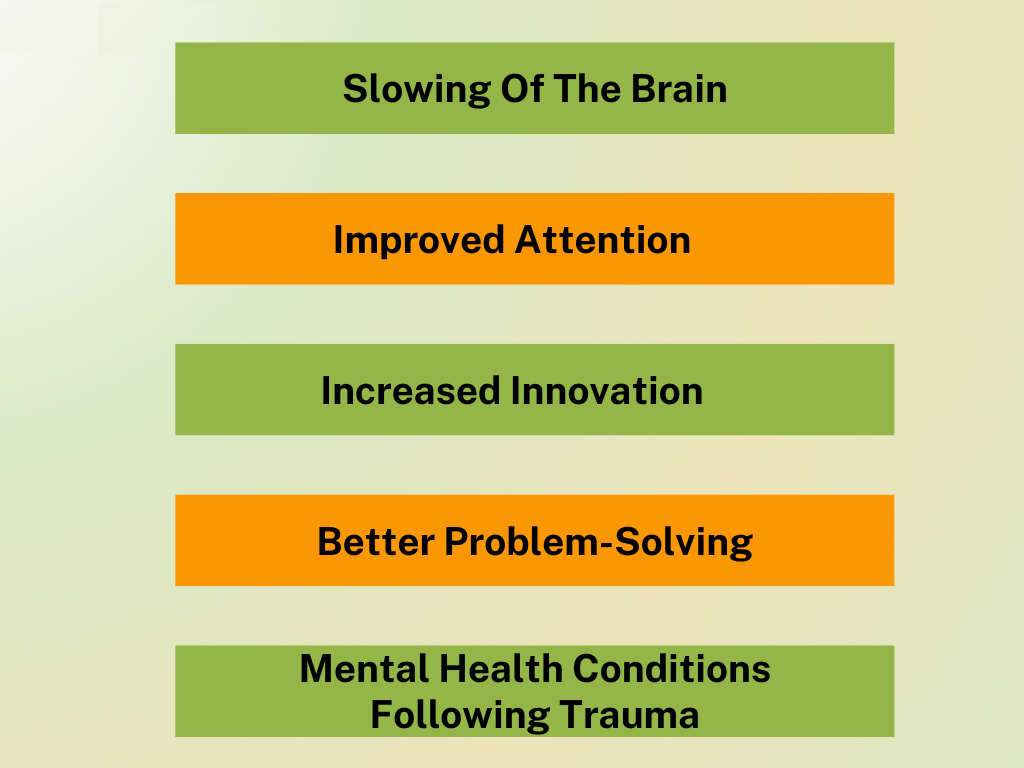
Studies indicate that individuals who have engaged in meditation for extended periods exhibit an increased volume of grey matter in the prefrontal cortex, which is the region of the brain associated with decision-making, attention, and sensory processing.
Moreover, even brief contemplation practices can lead to significant changes. For instance, a study revealed that participants who underwent an 8-week mindfulness meditation program demonstrated reduced activation in the amygdala, the area of the brain that governs emotional responses and regulation.
Increases Self-Awareness & Emotional Intelligence

Assists individuals in comprehending their thoughts, emotions, and responses. Enhances emotional regulation and decision-making capabilities. Fosters self-acceptance and compassion. Engaging in journaling following meditation can further promote self-reflection and personal development.
Certain meditation practices may facilitate a deeper understanding of oneself, guiding individuals toward their optimal potential.
For instance, self-inquiry contemplation is designed to cultivate a more profound awareness of oneself and one’s interactions with others. Other techniques focus on identifying detrimental or self-sabotaging thoughts. The premise is that by increasing awareness of one’s thought patterns, individuals can redirect them towards more positive and constructive avenues.
Meditation stands out as an effective method for enhancing self-awareness. Consistent practice leads to a more profound understanding of oneself. Ultimately, meditation alleviates feelings of loneliness and fosters a sense of fulfillment.
Enhances Overall Energy & Vitality

Mitigates mental fatigue and helps avert burnout. It promotes the circulation of oxygen and prana (life energy) throughout the body, leading to a feeling of revitalization and renewal. Practicing breath-focused meditation (pranayama) can greatly enhance energy levels.
Meditation acts as a natural approach to boost energy, reduce tiredness, and foster overall vitality. Unlike caffeine or other stimulants, contemplation elevates energy without causing crashes or negative side effects, as it harmonizes the body’s internal balance.
The technique of deep breathing during meditation enriches the bloodstream with oxygen, thereby enhancing energy levels. Improved blood circulation ensures the effective delivery of essential nutrients and oxygen to both muscles and the brain, resulting in greater stamina and endurance throughout the day. The inclusion of Pranayama (yogic breathing) can yield an immediate boost in energy.
Vitality refers to the energy, strength, and overall wellness that support a lively and active lifestyle. When paired with suitable habits, contemplation can naturally improve your mental, physical, and emotional vitality.
It alleviates stress and enhances mental clarity. It reduces cortisol levels (the hormone associated with stress) that drain energy. It sharpens mental focus and emotional resilience. Deep breathing during meditation facilitates better oxygen flow to the brain and body, enhancing blood circulation and supplying essential nutrients and energy.
Control Depression
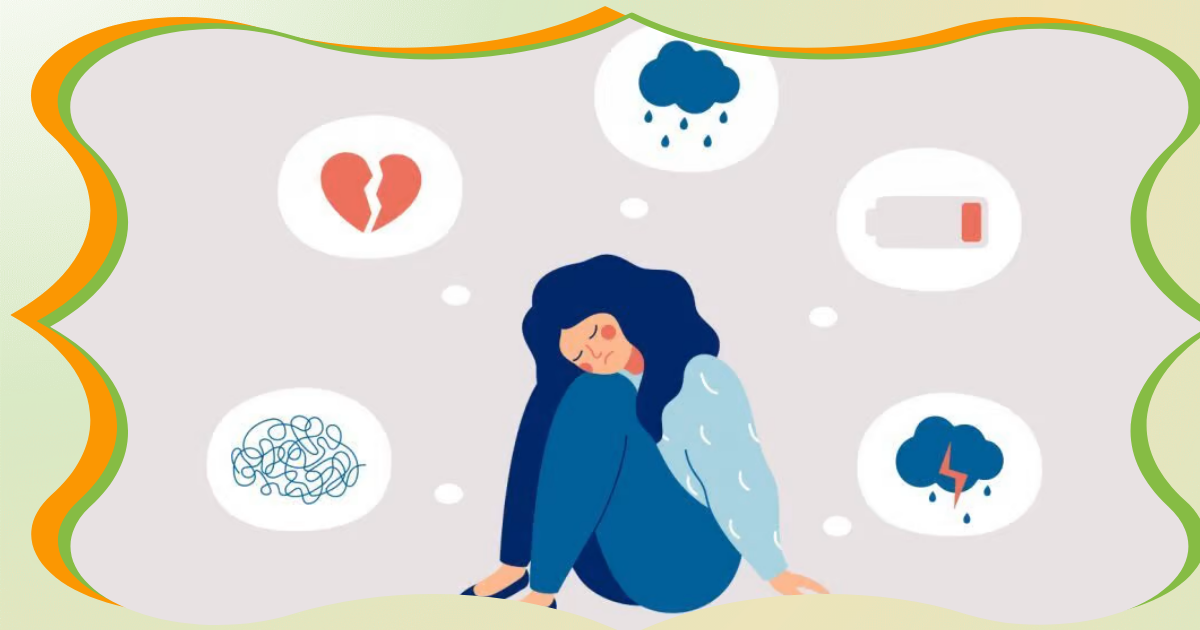
Meditation has been shown to diminish the frequency of depressive episodes. While depression can be a daunting experience, adopting a positive mindset, implementing lifestyle modifications, and seeking support can empower individuals to reclaim their emotional health. Below are effective strategies for managing and alleviating depression through natural means.
Medical professionals suggest that engaging in meditation can be beneficial for those experiencing daytime episodes of depression. This practice aids in alleviating negative thoughts by promoting the release of dopamine, a hormone that enhances focus, boosts motivation, and revitalizes the mind.
Final Word
Meditation is a readily accessible practice that can significantly improve both mental and emotional health without necessitating specialized tools or costly memberships. By identifying a meditation style that resonates with your personal goals, you can greatly enhance your overall quality of life, even if you can only spare a few minutes each day.
This practice is a skill that most people can acquire. It encompasses a variety of styles and benefits. There is no need for complex equipment; a simple mat and a peaceful setting are all that is required. When engaged in regularly, meditation yields enduring advantages for both physical and mental well-being. For those looking to embark on this journey, numerous support groups and meditation courses are available to offer essential guidance. For additional information, you may wish to reach out to the experts at Mygenerix.com.
FAQs
1. What can meditation do about stress?
Meditation helps you relax and lowers the level of a stress hormone called cortisol. This helps you feel calm and even lowers stress and anxiety.
2. Does meditation help you focus and think?
Yes! Meditation helps you improve your attention and mental clarity, which helps improve focus and thinking.
3. Does meditation help you sleep?
Yes! Meditation helps calm your nervous system which helps reduce symptoms of insomnia and helps you sleep.
4. Does meditation help your emotions?
Yes! Meditation can help you with your emotions by helping you become more mindful and more self-aware. This can help you regulate your emotions better and lower the symptoms of depression and anxiety.
5. What advice can you give to people who are just starting to learn meditation techniques?
It is good to practice breathing and meditation for 5 to 10 minutes to help build the habit.
