
General Health
Advice for Men Summer Exercise
May
Overview
As the summer season approaches, it is imperative for individuals to gradually incorporate workouts into their daily routines. While one might perceive exercise as a source of perspiration and discomfort due to the heat, research indicates that engaging in light physical activities, such as calisthenics, can help alleviate summer’s oppressive warmth.
This post tries to provide crucial workout ideas adapted for the summer months. We will outline suitable exercises and suggest ways to adjust your workout regimen for optimal results. Additionally, we will discuss potential health issues that can be mitigated through light exercise this summer.
For instance, if you find that the sweltering heat is adversely affecting your sexual health and hindering your ability to achieve a strong erection, increasing your exercise frequency may be beneficial, alongside the use of medications like Cenforce-100.
Benefits of Workouts During Summer
Participating in physical exercise during the summer provides a variety of health advantages. Summer emphasizes the beneficial effects of summer workouts on overall well-being. Enhanced blood flow to the muscles can assist in preventing cramps, sprains, and strains. Moreover, consistent exercise helps to fight fatigue and sluggishness by improving oxygen levels in the blood and increasing metabolic rates. Regular physical activity also reduces stress and feelings of being overwhelmed during the summer season. In addition, daily exercise helps to dissipate excess body heat, thus minimizing the risk of overheating. Studies suggest that regular workouts may also decrease the likelihood of dehydration.
First, Getting To Know About Diabetes
To gain a comprehensive understanding of the treatments for a disorder, it is essential to first examine the disorder itself in detail. Diabetes is a medical condition characterized by elevated blood sugar levels, primarily resulting from a deficiency of the hormone insulin. Insulin, which is synthesized by the pancreas, aids in the transformation of surplus glucose into glycogen for storage purposes. However, when insulin levels are insufficient, the conversion process is impaired, leading to an accumulation of glucose in the bloodstream, which ultimately results in diabetes mellitus.
To manage diabetes, the most prevalent method involves the manual administration of external insulin through injections. Individuals must receive insulin shots periodically, typically one or two times each week. As previously mentioned, diabetes cannot be completely cured, necessitating lifelong insulin administration. Consequently, incorporating insulin injections into the weekly schedule becomes a new norm for these individuals. In addition to insulin therapy, it is essential to regulate dietary intake by eliminating foods high in sugar. Therefore, diabetic patients are advised to avoid confectionery items, sweets, and sugary beverages. Instead, their diet should primarily consist of green leafy vegetables, fruits, grains, cereals, and seafood. Alternatively, medications such as Fildena Super Active, Vidalista 20 mg, Kamagra, and Kamagra Oil Jelly may be considered.
Controlling Diabetes by Exercise
Previously, we examined how insulin injections can temporarily alleviate insulin deficiency. However, there are alternative methods that can yield significant results, such as engaging in physical activity. Regular exercise, when performed without excessive strain, can aid in lowering blood sugar levels. The top three exercises that are most beneficial for diabetes management are:
Walking

Typically, when individuals are prompted to engage in physical activity, they often cite various justifications such as discomfort, fragile bones, muscle cramps, and advancing age. However, there exists one form of exercise that is accessible to everyone, regardless of age or physical condition: walking. From a young age, we have been advised by healthcare professionals and elders about the benefits of a morning walk. A simple one-hour morning walk can aid in calorie burning and alleviate respiratory issues by allowing the intake of fresh air.
In urban areas, the opportunity to breathe fresh air has become a rare privilege, often only available in the early morning hours just after dawn. For younger individuals, increasing the pace can enhance the strength of pelvic muscles and the torso. Conversely, older adults should maintain a moderate walking speed. For those returning to walking after a prolonged absence, it is advisable to start slowly, gradually increasing the pace over several weeks or months. Walking is an effective way to burn calories daily, which can lead to reduced blood sugar levels as the muscles require more glucose.
Yoga
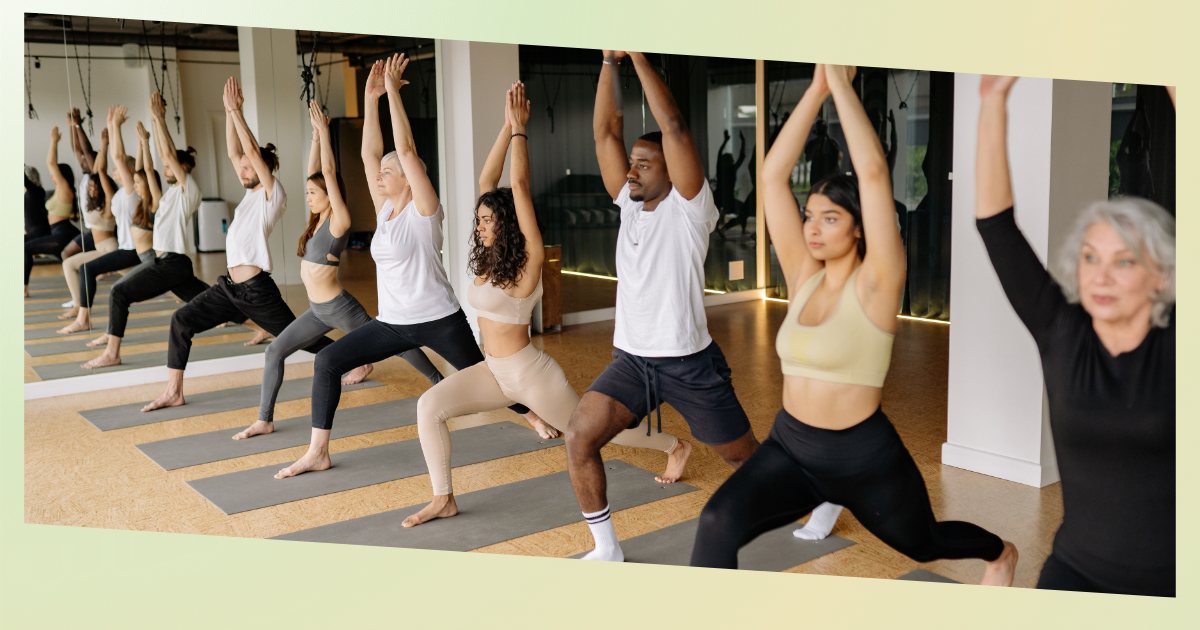
In Ayurveda, the ancient medical text describes yoga as a remedy for various ailments. Its practice extends beyond mere physical postures. Yoga serves as a restorative mechanism for the harm inflicted upon both body and mind. Engaging in yoga for just 30 minutes daily can lead to significant transformations in your physical state. It alleviates stress, stabilizes blood pressure, and diminishes brain activity, fostering mental tranquility and enhancing concentration and cognitive abilities. Furthermore, yoga has been shown to assist in lowering blood sugar levels in individuals with diabetes.
Yoga promotes uniform blood circulation throughout the body, enhancing the basal metabolic rate as tissues and cells utilize more energy derived from glucose in the bloodstream. Consequently, when an adequate quantity of glucose is utilized, blood sugar levels are likely to normalize.
Swimming

This activity presents several precautions for elderly individuals. Swimming requires significant muscle engagement and respiratory effort, which may increase stress on the heart and potentially lead to cardiovascular issues in older adults. Therefore, if one wishes to swim, it is advisable to consider floating or gentle swimming. Swimming is more effective in burning calories than both walking and yoga combined, as it engages muscles throughout the entire body. Consequently, energy is provided to the muscles in the form of glucose from the bloodstream, helping to normalize blood sugar levels. This is why medical professionals recommend that patients participate in any form of physical activity they prefer. When calories are expended and glucose is utilized, the body operates efficiently without complications.
What Sort Of Health Issues Can You Avoid By Doing Exercises During Summer?
Engaging in physical activities throughout the summer can mitigate various health risks. Research indicates that regular exercise can prevent common issues such as dehydration, as well as more serious conditions like hypertension and mental health disorders.
Here is a list of health issues you can avoid with daily workouts during the summer-
Dehydration
Frequent muscle cramps
Sleep disorders
Severe fatigue and tiredness
Low libido
Lack of penis erection for which you need to use Malegra
Mental health issues like stress or depression
High BP levels
Risks of a heart attack or stroke
As demonstrated, engaging in exercise can mitigate a range of health concerns, from minor issues such as dehydration to serious risks, including the prevention of heat strokes or heart attacks.
Tips for Exercise During The Summer
We would like to share several tips that can assist you in maximizing the benefits of your daily exercise routine.
| Look Out For Hydration Needs
Be mindful of your body’s hydration requirements. It is essential to regularly consume water throughout your exercise routine. Failing to hydrate can lead to feelings of fatigue and weakness due to dehydration.
| Timing Of Exercises Is The Key
The early morning hours are optimal for summer workouts, as exercising after 11 a.m. poses significant risks of dehydration, muscle cramps, and other serious health concerns due to rising temperatures.
With the swift increase in temperatures, there exists a significant risk of dehydration, muscle cramps, and various other serious health complications associated with intense physical activities.
| Doing Workouts In A Cool Place
If you are unable to exercise in the early morning, it is advisable to avoid working out during the hot midday hours. Temperatures rise quickly after 11 AM, and engaging in strenuous activities can pose significant health risks, including sunstroke, loss of consciousness, severe dehydration, and an increased risk of heart attack.
| The Right Type of Clothes During Exercises
It is essential to consider the type of clothing you should wear prior to commencing your exercises. To ensure comfort and reduce the effects of extreme heat, it is advisable to wear light-colored, loose-fitting garments.
| Doing Warm-Ups
It’s important to warm up your body appropriately before doing strenuous exercise. Engaging in intense physical activities without prior preparation greatly heightens the likelihood of experiencing muscle cramps and sustaining injuries. Summer is advisable to commence with light calisthenics such as jogging, skipping, jumping jacks, and bodyweight squats. Furthermore, research indicates that performing these exercises in the evening after returning home can alleviate the fatigue accumulated throughout the day. This practice may also enhance intimacy and improve erectile dysfunction. However, if difficulties persist, we recommend considering Tadacip pills.
| Allow Enough Rest and Recovery
Engaging in physical exercises is beneficial; however, allowing time for rest and recovery is equally essential. It is undeniable that a workout session can significantly deplete your energy levels. Prolonged exercise without adequate breaks may lead to muscle strains, dehydration, and other related issues.
| Look to Rotate Your Workout Routines
It is essential to vary your workout routine on a daily basis. Consistently performing the same exercises throughout the week can lead to increased fatigue and weakness over time.
Final Thoughts
This article provides a comprehensive overview of various workout tips suitable for the hot summer season, along with the numerous benefits associated with daily exercise. If you have any health concerns, it is advisable to consult a physician and choose the appropriate medications from Mygenerix.
FAQs
1. What exercises can be done in the summer?
Any sort of cardio exercise is great to do in the summer. This can be done by running, biking, or swimming. Walking can also be done in the summer to help get exercise.
2. Is there recommended clothing for summer exercising and workouts?
Yes, clothing that is lightweight and breathable is recommended for summer workouts. Light colors also help keep the body cooler because they do not absorb any heat.
3. What is the recommended amount of exercise for men during the summer?
Exercise for 150 minute each week of moderate activity plus two days of strength training. Individual fitness and weather should be taken into account for adjustments.
4. Can summer workout plans be adjusted for older people?
Yes, people should be concerned with hydrate and rest during.
5. What are the different things men do wrong when exercising outdoors in the summer?
Do not stay hydrated out and have not changed to summer activity.
