
General Health
2025 Turmeric Supplements: Expert Assessments
Apr
Overview
To enhance their nutritional intake, many individuals turn to various forms of supplements. Among these, some opt for curcumin supplements, which are derived from turmeric. These supplements contain curcumin extracted from the dried rhizome of the turmeric plant, ensuring a prolonged shelf life. Additionally, this supplement may include other beneficial nutrients, such as vitamins and minerals. It is advisable to review the ingredient list on the supplement bottle.
This article seeks to offer a comprehensive examination of turmeric supplements that will be available in 2025. If you are currently using these supplements, you may be interested in learning about the optimal timing for consumption, recommended dosages, usage guidelines, safety precautions, potential side effects, and other valuable information.
Certainly! Here is a comprehensive overview of Supplements for 2025, informed by the latest evaluations and trends in the realm of natural health and wellness.
What Is Turmeric?
The rhizomes of the Curcuma longa plant, a member of the ginger family that grows well in warm areas all over the world, are used to make this bright yellow spice.
Historically, turmeric has been valued not only for its potential health advantages but also for its ability to enhance the flavor of various dishes. It comes in several forms, including crushed powder and fresh root, and can be consumed as a dietary supplement.
What Is Curcumin?
The major biological ingredient in this is called curcumin, and it is primarily responsible for the plant’s possible health benefits.
Reasons Experts Advocate for Turmeric in 2025
| Powerful Anti-Inflammatory Agent
Turmeric is recognized as one of the most potent natural anti-inflammatories, offering relief for conditions such as arthritis, joint discomfort, and muscle recovery.
| Enhances Cognitive Function
Curcumin has the potential to enhance cognitive abilities and may protect against Alzheimer’s disease and age-related cognitive decline.
| Strengthens the Immune System
Research conducted in 2024–2025 has underscored turmeric’s ability to regulate the immune response, aiding the body in combating infections and alleviating chronic inflammation.
| Natural Alternative for Pain Management
Turmeric is increasingly being utilized as a natural substitute for non-steroidal anti-inflammatory drugs (NSAIDs), presenting fewer adverse effects.
| Enhances Cardiovascular Health
Curcumin aids in enhancing blood circulation, reducing oxidative stress, and may help in lowering cholesterol levels.
Health Advantages of Turmeric
For millennia, turmeric has been utilized in Ayurveda and traditional Chinese medicine to address various ailments, including skin issues, respiratory conditions, joint pain, and digestive problems. In recent years, it has gained popularity as a dietary supplement, touted for its potential benefits in treating a range of conditions such as arthritis, digestive issues, depression, and allergies, among others.
Over the past few decades, this has been the subject of extensive research aimed at uncovering its possible health benefits. Research conducted in 2020 indicated that Curcuma is linked to numerous health benefits, including anti-inflammatory, anticancer, antidiabetic, antidiarrheal, antimicrobial, antiviral, and antioxidant effects.
Emerging research is beginning to establish links between some of these properties and tangible health benefits for individuals. For instance, studies involving human participants have suggested that curcumin may be effective in alleviating pain associated with osteoarthritis. However, further investigation is necessary to fully comprehend the additional potential benefits of this and the appropriate dosages required to realize these effects.
The Function of Turmeric Supplements
Turmeric supplements are available in both pill and powder forms, serving to enhance health by providing the advantages of natural curcumin.
Curcumin is associated with numerous health benefits, including:

Integrating these supplements can significantly improve your overall health. Consult with healthcare professionals to identify the most suitable option for purchase in 2025.
When Should I Consider Using a Turmeric Supplement?
There are numerous instances in life when a turmeric supplement may be beneficial. It is safe for both men and women and can be utilized by adults of all ages.
Elderly individuals often discuss issues related to joint pain and inflammation, which can be early indicators of arthritis. This supplement can provide support for bones and joints while also aiding in the reduction of swelling and inflammation commonly associated with these conditions.
Individuals with diabetes may find it particularly advantageous to use this supplement, as research indicates that curcumin can help lower blood sugar levels.
Men experiencing difficulties with erectile function may also benefit from this, as such challenges can be a sign of erectile dysfunction.
Heart patients can safely incorporate this into their regimen as well. This includes individuals who frequently experience chest pain, have recently suffered a stroke, or have Lower blood pressure.
Additionally, turmeric is highly effective for anyone dealing with wounds, cuts, or burn marks, as curcumin promotes faster healing of these injuries.
Incorporating Turmeric into Your Diet
You can easily add turmeric to your diet by using it as a seasoning in various foods and beverages. It is an essential component in Indian cuisine, especially curries, where it contributes a vibrant yellow hue.
Combining turmeric with fats, such as oils, can enhance the gastrointestinal absorption of curcumin.
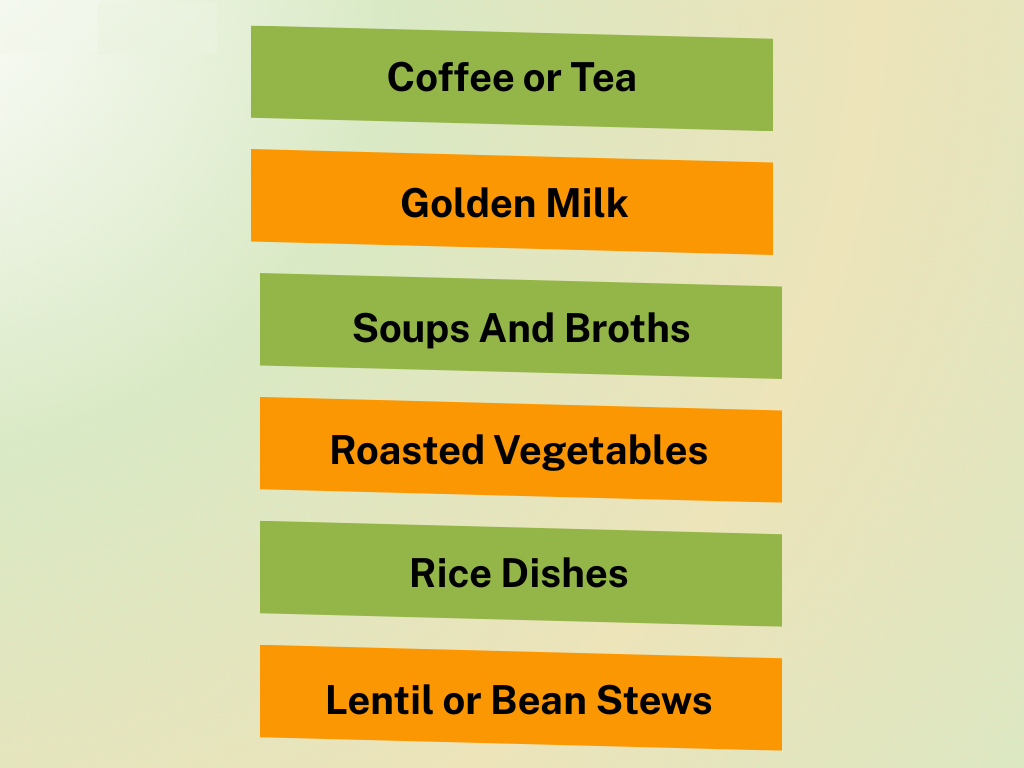
Here are some suggestions for incorporating curcumin into your meals and drinks:
How to Take Turmeric Pills
If you have purchased a turmeric supplement, you may be wondering how to consume it properly. The first step is to carefully examine the product label for specific instructions. If the supplement is in a yellowish powder form, it can typically be mixed with milk or water. Alternatively, if it is available as pills, the recommended method is to swallow them with a glass of water.
Dosage Recommendations
It is advisable to consult a healthcare professional regarding the appropriate dosage of this supplement. We recommend discussing the dosage with a doctor before selecting a specific brand, as understanding the correct amount is crucial before use.
For instance, if you have a powdered supplement, you may need to determine the appropriate quantity to use. Similarly, if you are taking pills, you should know how many to consume daily.
Generally, a small teaspoon is sufficient for powdered forms, while a healthcare provider typically recommends taking one pill per day. However, it is essential to consult a doctor to ascertain the exact dosage that is safe and suitable for your individual needs.
Are There Risks Associated with Turmeric Supplements?
Occasionally, certain complications have been observed in some individuals, particularly those who have been using turmeric supplements for an extended period. A common complaint among users is digestive discomfort, which may manifest as diarrhea or abdominal pain. In very rare cases, prolonged use could potentially lead to the formation of ulcers in the stomach.
Taking excessively high doses of turmeric may result in side effects such as headaches or dizziness. Adults may experience these issues when consuming more than 500 mg.
Individuals with pre-existing liver or bile duct conditions may be more susceptible to experiencing adverse effects.
Additional general concerns include:
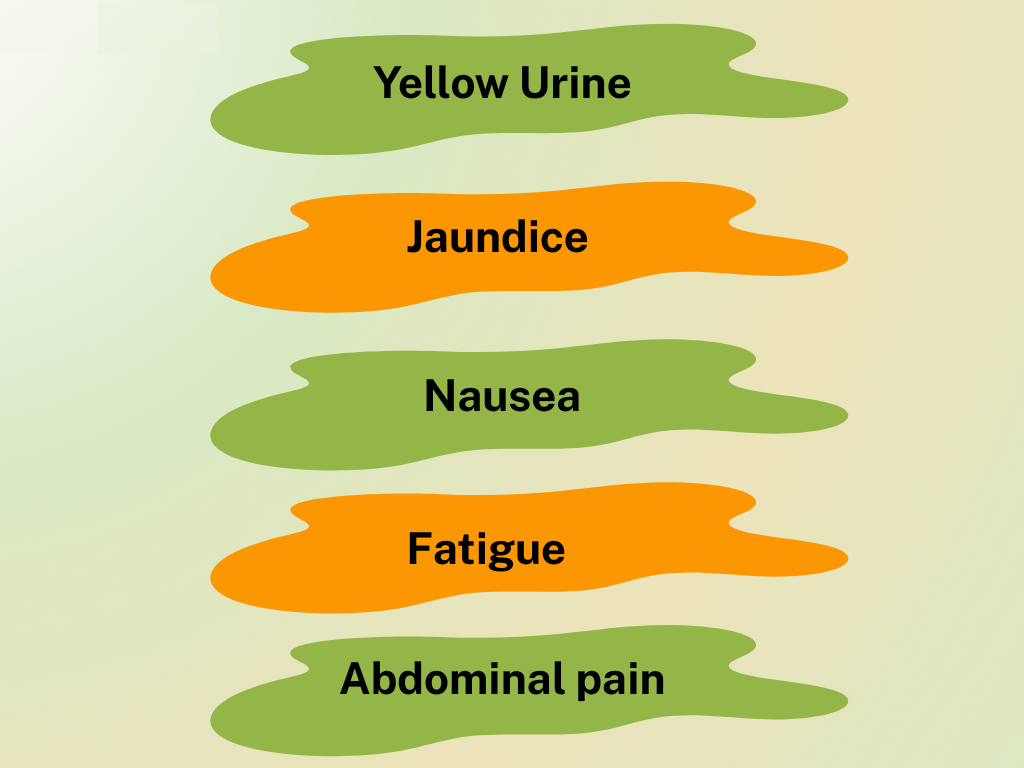
It is advisable to consult a physician if any of these symptoms arise within a few days.
Precautionary Measures When Using Curcumin Supplements
When considering a turmeric supplement, it is essential to adhere to certain precautionary guidelines.
Be vigilant for any signs of side effects and seek medical attention promptly if they occur. It is also important to inform your doctor about any other supplements you are taking to prevent potential interactions.
Additionally, disclose any liver or kidney issues to your healthcare provider, as research indicates that excessive curcumin may exacerbate problems in patients with these conditions.
How to Incorporate Turmeric into Your Diet Naturally
Given the potential side effects of turmeric supplements, it is advisable to opt for a more traditional method of consuming turmeric. This can be achieved by incorporating it in its cooked form into various dishes. A significant advantage is that you can blend natural turmeric powder with other spices in nearly any curry, enhancing both its color and flavor.
Conclusion
Turmeric supplements may provide various health benefits for adults. However, it is essential to approach their use with caution. As of 2025, turmeric continues to be regarded as one of the most reliable natural supplements, supported by contemporary research and a long history of traditional application. When selected carefully—considering factors such as potency and bioavailability—turmeric can deliver substantial benefits for joint health, cognitive function, immune support, and inflammation management.
FAQs
1. What are the new changes in turmeric supplements when compared to the previous ones?
The new turmeric supplements are far better due to advanced delivery systems; that is, use of liposomes and nanoparticles which means that there is a greater absorption when compared to the previous versions.
2. Do new ingredients now frequently occur in combination with turmeric in these supplements?
Newer formulations have turmeric with ingredients such as black pepper extract (piperine), certain curcumin complexes, and various other herbal antioxidants.
3. Are turmeric supplements safe to take?
Turmeric supplements are considered generally safe, although some medical conditions and medications interacted with turmeric may lead to gastrointestinal distress. Regular use of turmeric should only occur after consulting a medical professional.
4. What will customers look for to identify a quality turmeric supplement in 2025?
A turmeric supplement should have a stated curcumin concentration, a label from an independent testing facility as proof of purity, an enhanced bioavailability formulation, and as much information as possible on the label.
5. Can other medications or treatments be taken with turmeric supplements?
It is possible; however, turmeric can cause a reaction with certain medications, including blood thinners, so it’s best to be cautious. It is best to speak with a physician before mixing treatments.
