
General Health
Best Natural Remedies for Constipation: 7 Relief Options

Mar
Overview
Constipation is an issue that cannot be overlooked. The discomfort and bloating associated with the inability to have a bowel movement can be quite distressing, and the effort required to pass hard stools can lead to significant pain. It often doesn’t take long before individuals are willing to explore various solutions to restore normal bowel function.
Many people facing constipation tend to feel confused and resort to taking medication to alleviate their symptoms. However, in our opinion, mild cases may not necessitate the use of pills. Unless the constipation is severe, it is advisable to consider home remedies before seeking medical attention.
While constipation can be uncomfortable, there are natural remedies that can effectively relieve the condition without the need for strong medications. Here are five reliable methods to help restore your digestive health.
1. Eat Enough Fiber
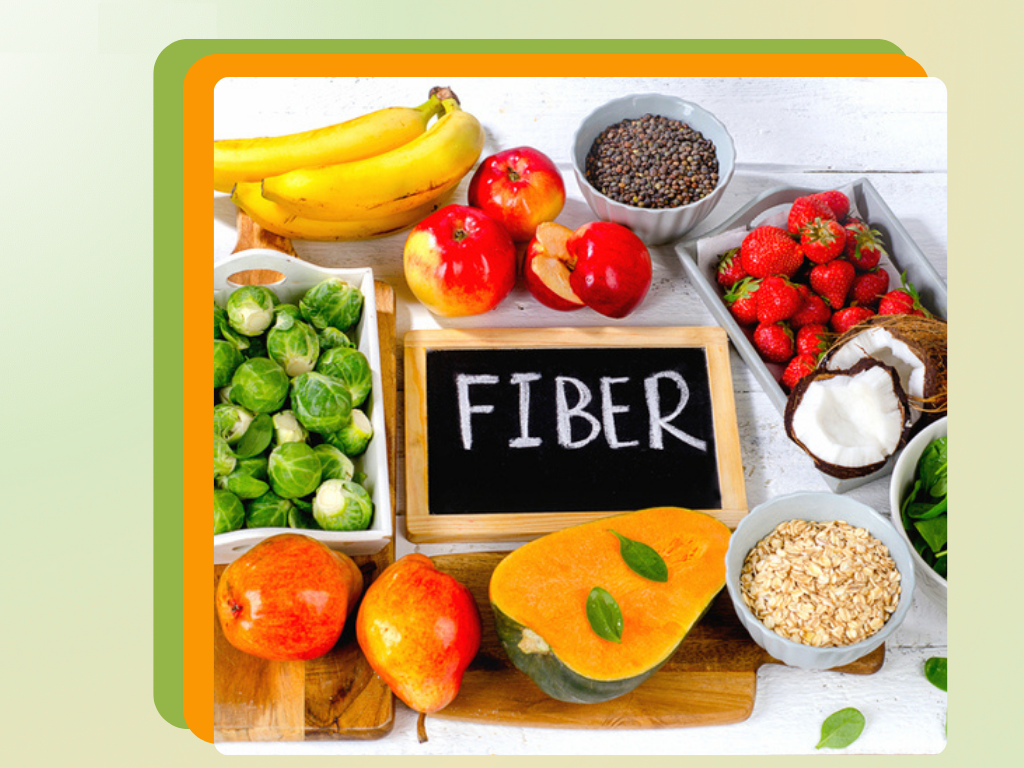
The primary recommendation I have is to modify your diet. Ensuring that you consume an ample amount of fresh fruits, vegetables, and whole grains is crucial for preventing constipation.
These foods not only serve as healthier energy sources for your body but also provide fiber—a vital nutrient that facilitates the movement of waste through your gastrointestinal tract and encourages regular bowel movements.
It is advised that men should aim for approximately 30 grams of fiber daily, while women should target 20-25 grams. Although this may seem modest, only about 7% of adults currently achieve these daily fiber goals, as reported by the American Society for Nutrition.
Foods high in fiber that can alleviate constipation include:
Vegetables such as squashes, broccoli, Brussels sprouts, okra, asparagus, mushrooms, carrots, kale, and spinach.
Fruits, particularly kiwis, prunes, avocados, raspberries, blackberries, persimmons, pears, oranges, apricots, and apples.
Whole grains like quinoa, whole wheat pasta, oatmeal, whole wheat bread, and barley.
Legumes such as black beans, white beans, split peas, lentils, pinto beans, chickpeas, black-eyed peas, and edamame.
Nuts, especially almonds and pistachios, along with chia seeds, flax seeds, and pumpkin seeds.
In essence, a diet rich in fiber contributes to increasing stool mass and stimulating the urge to defecate. The most effective advice at this point is to enhance your intake of dietary fibers that are not absorbed by your body.
As per studies, there is a range of food items to look at.
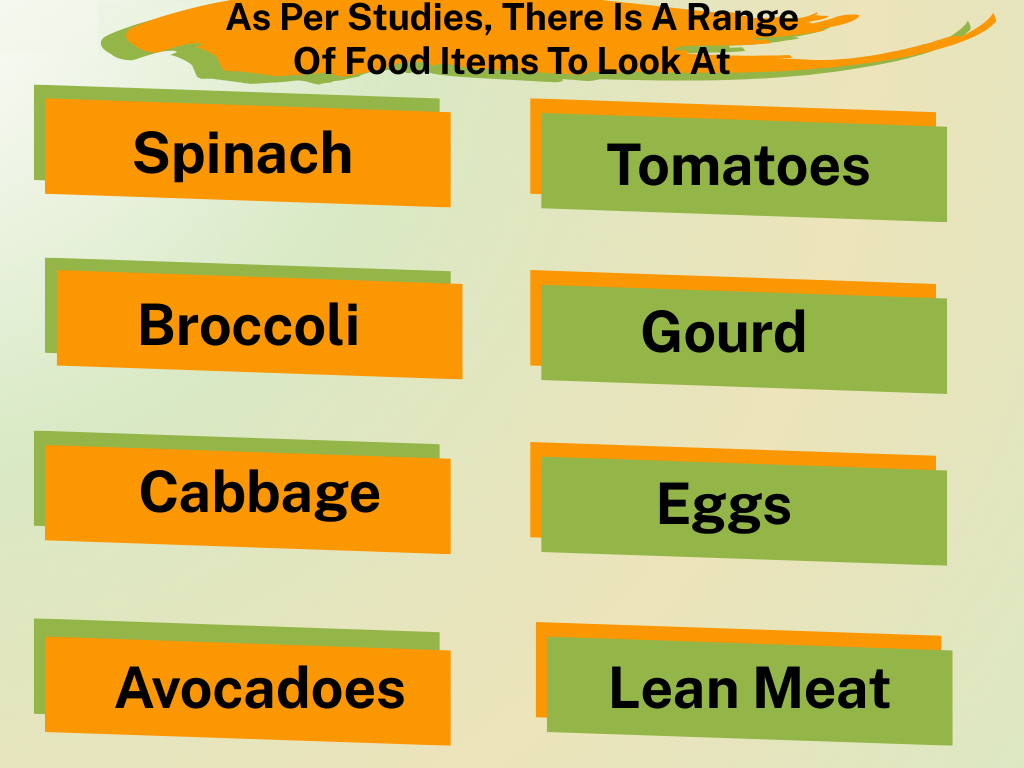
Research indicates that a diet abundant in fiber is the most effective remedy for various health concerns, often yielding results within a few days or weeks. Additionally, the aforementioned food items serve as excellent supplements for men using Sildenafil Cenforce.
2. Drink Plenty of Water

In addition to modifying your diet, it is crucial to emphasize the significance of adequate water consumption.
It is advisable to increase your fluid intake to a minimum of 64 ounces daily, provided you do not have any health issues that necessitate a lower water intake.
Here are some suggestions for maintaining proper hydration:
– Carry a bottle of water with you and drink from it all day long.
– Consume a glass of water with each meal, including breakfast, lunch, and dinner.
– Make drinking water more enjoyable by using unsweetened sparkling water or infusing it with fresh fruits, vegetables, and herbs.
– Snack on hydrating foods such as cucumbers, celery, watermelon, strawberries, and oranges.
A straightforward solution for alleviating constipation involves enhancing your hydration levels, which means drinking plenty of water. Generally, the human body requires approximately 5 to 7 liters of water daily. If you are experiencing constipation, increasing your intake to about 7 to 8 liters per day is recommended. This may also assist men in achieving stronger erections, particularly when using medications like Sildenafil.
3. Exercise More
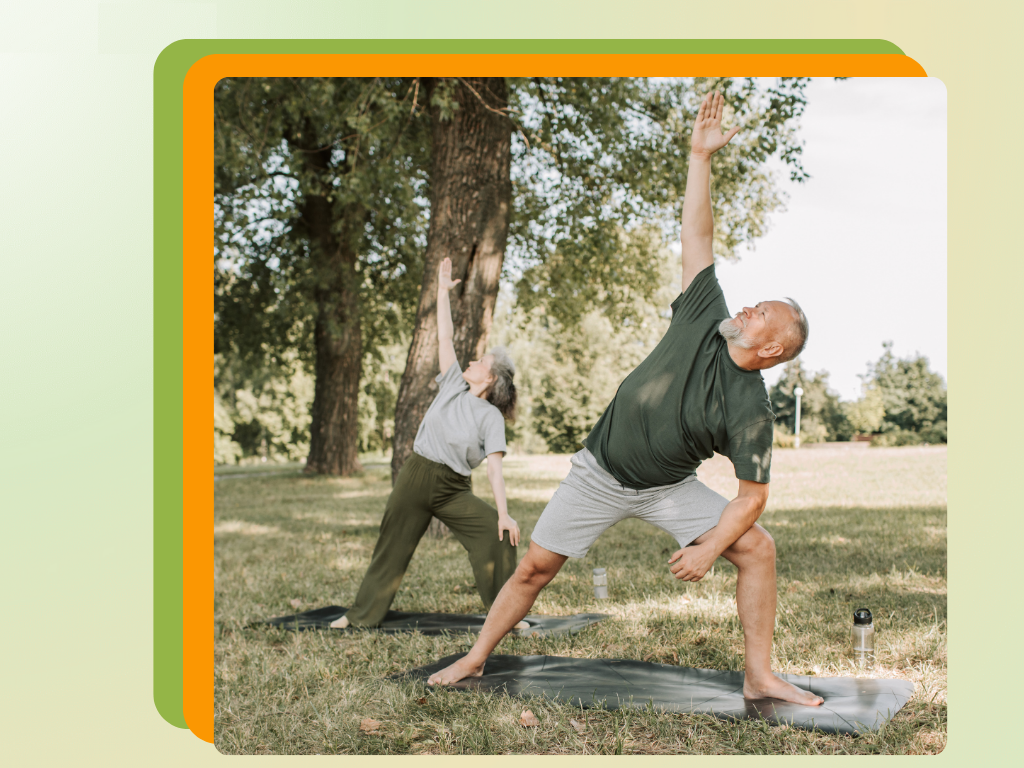
Research indicates that participating in physical activity can improve bowel function. It may be beneficial to add brisk walking, squats, or running to your daily schedule for a few minutes to experience these advantages. Additionally, these exercises could enhance your performance in intimate situations, especially if you face challenges in achieving a firm erection and often depend on Fildena 100mg.
Maintaining a routine of regular physical activity is crucial for preventing constipation. It is generally recommended that adults strive for around 150 minutes of exercise weekly. Importantly, the intensity of workouts does not need to be high to support regular bowel movements.
Walking is particularly effective in promoting digestive activity. If you are dealing with constipation, it is vital to engage in adequate exercise of this kind. Studies have established a link between sedentary lifestyles and an increased risk of constipation. As a result, some healthcare providers recommend boosting physical activity to aid in stool passage.
You might consider incorporating light exercises such as walking, swimming, cycling, or jogging to see if they alleviate your symptoms.
4. Drink Coffee, Especially Caffeinated Coffee

A study conducted in 1998 indicates that caffeine can enhance the activity of muscles in the gastrointestinal tract and gastric organs. Approximately 35% of individuals have reported an increase in bowel movements by raising their coffee consumption.
For those who tolerate coffee well, consuming it on an empty stomach in the morning may lead to improvements in constipation issues within a few weeks. Additionally, caffeine can effectively enhance sexual stamina, particularly for individuals using Vidalista black 80.
For some, coffee consumption can heighten the urge to use the restroom, as it stimulates the muscles within the digestive system.
The 1998 study revealed that caffeinated coffee can activate the gut similarly to a meal, with this effect being 60% more potent than that of water and 23% more effective than decaffeinated coffee. Furthermore, coffee may contain trace amounts of soluble fibers that contribute to preventing constipation by promoting a healthy balance of gut bacteria.
However, the bowel-stimulating effects of caffeine may be more pronounced in individuals with Irritable Bowel Syndrome (IBS), potentially exacerbating digestive symptoms. Those with IBS might consider eliminating caffeine from their diet to assess whether it alleviates their symptoms.
4. Herbal Laxatives like Senna May Help

Senna is an herbal plant that has been studied for its potential to alleviate constipation symptoms, with research conducted in 2003 supporting this claim. If you are unable to find it locally, consider consulting a healthcare professional for an herbal supplement that includes Senna.
However, it is important to note that Senna may not be suitable for everyone. Pregnant women, nursing mothers, and individuals exhibiting symptoms of irritable bowel syndrome (IBS) should exercise caution when considering its use. Some studies also suggest that this herbal remedy may have benefits for enhancing erectile function, similar to Mychelle Kamagra.
Senna is widely recognized as a safe and effective herbal laxative for treating constipation. It is available for purchase both over the counter and online in various forms, including oral and rectal options. The active compounds in Senna, known as glycosides, stimulate gut nerves, promoting quicker bowel movements.
While healthcare professionals generally deem Senna safe for short-term use in adults, it is advisable to seek medical advice if symptoms persist beyond a few days. Additionally, Senna is typically not recommended for pregnant or breastfeeding women, nor individuals with specific health issues, such as inflammatory bowel disease.
5. Try the FODMAP Diet

Currently, constipation may be a contributing factor to Irritable Bowel Syndrome (IBS) for individuals diagnosed with this condition. For these individuals, research suggests adopting a FODMAP diet. This dietary approach encourages the consumption of fermented foods and items high in oligosaccharides, monosaccharides, and polyols. Additionally, this diet can be beneficial for men using Filagre. Below are some recommended options.
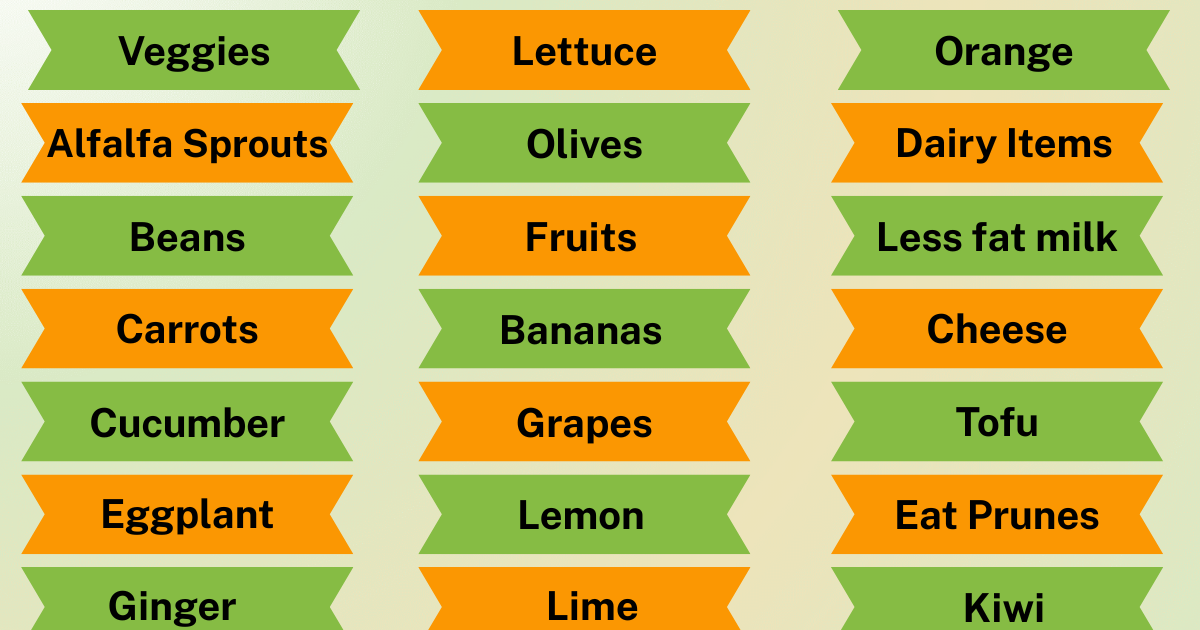
Prunes and prune juice can be beneficial for individuals experiencing constipation. Research indicates that they are not only high in fiber but also contain sorbitol, which can enhance bowel movements and facilitate stool passage.
It is advisable to consume approximately 50 grams of prunes twice daily. However, consulting a physician regarding this food item for those with Irritable Bowel Syndrome (IBS) is recommended, as it may not be suitable. Constipation can be a symptom associated with IBS. The low FODMAP diet, which is an elimination diet, is designed to manage IBS and may alleviate constipation related to the condition.
FODMAP refers to fermentable oligosaccharides, disaccharides, monosaccharides, and polyols.
This diet entails restricting high FODMAP foods for a certain period before gradually reintroducing them to identify which ones are well-tolerated.
For individuals with constipation-predominant IBS, the low FODMAP diet alone may not suffice. Such individuals should also focus on other dietary factors, including adequate hydration and fiber intake, to find relief from their symptoms.
| Add More Probiotic Food Items
Probiotics are an excellent enhancement to your current diet. Research indicates that an increase in beneficial gut bacteria can facilitate easier stool passage. According to reports, these probiotics generate certain amino acids that promote bowel and gut motility, thereby aiding in the formation and expulsion of stool.
Foods to add are-

Rich in antioxidants and vitamins, it may also assist in achieving a firm erection, particularly for men using Tadalista.
6. Try Avoiding Dairy

According to certain studies, dairy products may lead to a decrease in bowel movements and stool consistency. While eliminating dairy from your diet can be beneficial, it is advisable to seek alternative sources of calcium from other foods. Below is a list of such options:

Such Food Items Are A Good Idea To Add, Even For Those Males Using Sildalist 120mg.
In individuals who are intolerant to dairy, the consumption of such products can lead to constipation as a result of their impact on intestinal motility (60Trusted Source).
This condition can affect both children who are sensitive to cow’s milk protein and adults who experience lactose intolerance.
If a dairy intolerance is suspected, the individual should consult a healthcare professional for an accurate diagnosis. The physician may suggest a temporary elimination of dairy from the diet, while encouraging the intake of alternative calcium-rich foods, to determine if this alleviates the symptoms.
In summary, dairy or lactose intolerance can contribute to constipation in certain individuals. For these individuals, eliminating dairy from their diet may provide symptom relief.
7. Go For OTC Laxatives
If natural remedies prove ineffective, it is advisable to seek medical advice and consider using over-the-counter laxatives. These medications help to increase the bulk of your stool, soften it, stimulate bowel movement, and draw water from the stools to enhance their volume.
Keep in mind that this approach is intended as a short-term solution, and your physician may advise against its regular use for extended periods, typically beyond a few days. This method is often utilized as a treatment for constipation in children.
Takeaway
Constipation can be quite uncomfortable and may arise from various underlying factors. Fortunately, numerous home remedies and natural approaches can offer relief. If constipation continues, individuals should consult their physician to determine the root cause and explore suitable treatment options. The natural remedies discussed in this article can be particularly effective in alleviating symptoms. Therefore, we have outlined specific remedies that can help ease your concerns about constipation. Incorporating the suggested food items from this article may yield positive results within a few days or weeks.
FAQs
1. In what way does eating more fiber help constipation?
Increasing fiber helps constipation because fiber helps stool develop and helps people poop more by helping their intestines move more. People can help this by eating more fruits, vegetables, grains, and legumes.
2. What is the role of water in constipation?
When a person is dehydrated, their stool becomes hard and dry. This can cause a lot of pain. However, drinking more water can help stool become soft and help pull the other stools along by making it easier for the person to digestion.
3. Does exercising more help a person poop?
Yes, exercising helps a person poop more because it helps a person’s intestines and bowels stay healthy. This will help a person decrease their chances of becoming constipated.
4. How soon can natural remedies ease constipation?
Relieve can take anywhere from a couple of hours to a few days. These times depend on the type of natural remedy used and the factors that are used within each individual case.
5. Without any other means, can changing your diet control chronic constipation?
The right diet can improve constipation. However, there are some cases that are due to other factors and need to be evaluated.
