
Erectile Dysfunction
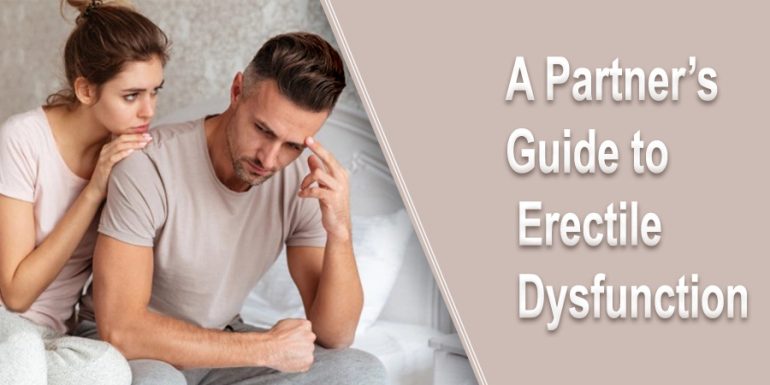
A Partner’s Guide to Erectile Dysfunction
Jul
What Is Erectile Dysfunction (ED)?
A man with persistent difficulties achieving and maintaining an erection is said to have erectile dysfunction (ED). If left untreated, ED can make having sex challenging. One in five men report having the issue, and the percentage rises with age.
ED symptoms
ED symptoms consist of:
- too-soft erections for intimate situations.
- Not enough time is spent in the erection for sexual activity.
- a failure to achieve an erection.
You have erectile dysfunction if you are unable to achieve or maintain an erection strong enough for sexual activity or long enough to last.Having a partner with ED can be difficult to deal with, but it is more difficult for them. Partners cannot even imagine how frustrating it is for their husbands.In younger men, the problem of Erectile Dysfunction is often psychological. Stress, depression, and performance anxiety, especially when in a new sexual situation, can be the cause. Medications, for high blood pressure and certain antidepressants, also can lead to erection problems.In most of these cases, ED medications like Cialis, Cenforce, Fildena, Vilitra, and Viagra can help. They are very effective, they have few side effects, and they are not addictive. If pills do not work, there are other options, including vacuum pumps, injections, and implanted devices. Talk to your doctor if you have any heart diseases or underlying medication conditions.In some cases, frequent masturbation can also be the cause of a man being unable to achieve an erection. If your partner’s problem is low testosterone such as lack of sex drive and very low energy, testosterone therapy can lead to an impressive improvement in the hormone.
What You Can Do
These six suggestions can help you cope with your partner’s Erectile Dysfunction.
- Try something new: Most of the time, men with ED can get an erection just by enhancing sexual stimulation. This can mean ramping up foreplay, reading or watching something sexy together, or coming up with a different method of sexual stimulation.
- Take the pressure off: Make him relax and be comfortable in bed. Involve in planned sexual activity when he can take his time to get aroused and get an erection.
- Have a conversation: Start with your own feelings about the situation, and be empathetic about your partner’s situation.
- Go with your partner to the doctor: The patients who are most successful in recovering when there is some kind of mental and physical support. A man with ED alone with a doctor may not express his true situation so his partner can describe his situation.
- Have patience with pills: Erectile Dysfunction medications such as Cenforce, Fildena, Tadalista, Kamagra, Vidalista are very effective but you should know that these drugs take time to help you get an erection. They also only work when you are sexually aroused.
- Encourage them to get heart-healthy: Good heart and vascular health are directly related to good penis health. It may not reverse erection problems but reduces the risk of future ED problems.
Treating ED: Oral Medications
There are other medications for ED besides sildenafil (Viagra), which you have probably heard of. Avanafil (Stendra), tadalafil (Cialis), and vardenafil (Levitra, Staxyn) are other medications in this class. All function by enhancing blood flow to the penis during sexual stimulation. They shouldn’t be used more than once a day and are typically taken 30 to 60 minutes before engaging in sexual activity. Tadalafil can be taken up to 36 hours prior to engaging in sexual activity. Additionally, a lower daily dose is available. For your safety, each requires your doctor’s approval first.
Treating Erectile Dysfunction : Implants
FAQs
1. What is ED and how does it impact couples?
ED is the recurring inability to obtain and/or sustain an erection that is sufficient for sexual intercourse. ED can impact intimacy, self-worth, and even communication in a relationship, though it is frequently treatable.
2. Is ED typical in relationships?
Yes, it is typical in relationships and is often due to stress, exhaustion, medical problems, side effects of medication, or even the dynamics and interactions of the relationship. It does not indicate a lack of effort or performance by either you or your partner.
3. What are some possible questions the doctor may ask?
Onset and pattern of ED, how frequently you have erections during the day, your medical history, current medication, use of alcohol and tobacco, psychological stress, relationship dynamics, and more.
4. What about sexual activities that don’t involve intercourse?
There are a number of sexual activities that can be enjoyed without the need for an erection. These include kissing, touching, oral sex, and all forms of sensual and sexual massage, as well as other forms of sexuality and relationship closeness that can serve to keep your relationship intimate.
5. How can we as a couple safely use ED medications?
Follow your doctor’s guidance. Talk about possible side effects, how the medication might interact with other medications you’re taking, and what to do if you have an erection that won’t go away. Do not take with nitrates.
